

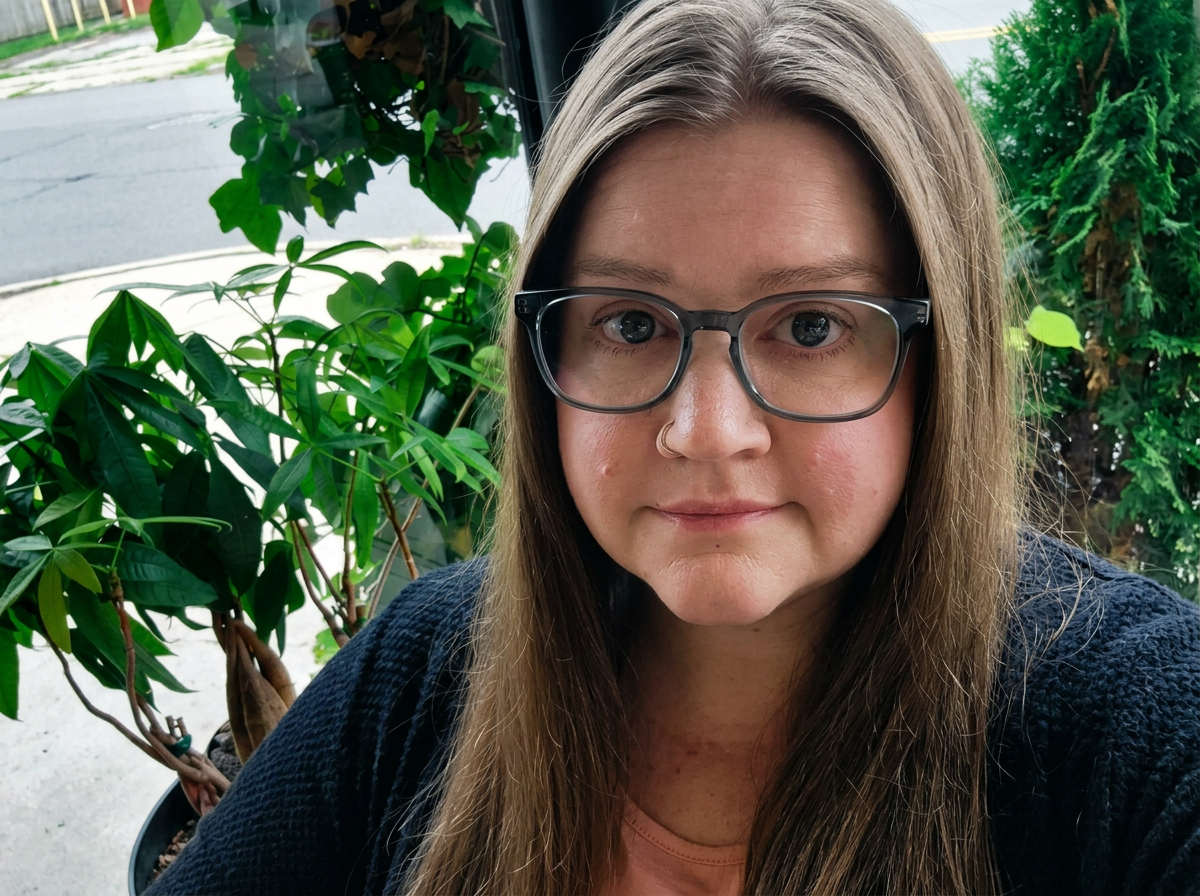
Meet Jacki
I don’t think therapy should feel like talking to a very sympathetic wall.
I earned my master’s degree in Clinical Mental Health Counseling from Commonwealth University of Pennsylvania, and my style as a therapist is warm, conversational, curious, and engaged. I’ll listen carefully, but I’ll also ask questions, notice patterns, make connections, and sometimes point out the thing you just said that seems suspiciously related to the thing you said twenty minutes ago. Therapy can be serious without being solemn all the time, and humor is welcome when it shows up naturally.
I’m especially interested in the parts of our lives that don’t make immediate sense. Why do we keep ending up in the same kinds of relationships? Why can we understand a pattern perfectly and still repeat it? Why do certain situations produce reactions that seem wildly disproportionate until we understand what they’re connected to? I’m fascinated by the combination of history, relationships, temperament, learning, and circumstance that shapes who we become, and by what happens when we start understanding those influences well enough to have more choice about what comes next.
You don’t need to arrive with a perfectly articulated goal, a diagnosis you’ve already researched, or an impressive command of therapy vocabulary. You can show up knowing only that something isn’t working the way you want it to.
We’ll pay attention to what is happening in your life now, but we may also get curious about how you got here. The ways we learned to relate to other people, handle conflict, protect ourselves, ask for what we need, or avoid needing anything at all usually developed for reasons. Sometimes those strategies continue faithfully reporting for duty long after the original emergency has ended.
Understanding those patterns matters, but insight by itself isn’t always enough. Knowing exactly why you do something and then watching yourself do it again is a uniquely irritating human experience. The goal is to use that understanding to create more room for choice: to notice what is happening sooner, respond differently, and gradually make old patterns less automatic.
How I work
My approach is grounded largely in psychodynamic therapy, with influences from attachment theory, cognitive and behavioral approaches, mindfulness, and other evidence-based practices. I’m less interested in fitting every person into one therapeutic model than in understanding what is actually happening for the person sitting across from me.
That might mean exploring how earlier relationships shaped the expectations you carry into current ones. It might mean looking closely at anxiety, avoidance, boundaries, self-criticism, or the ways you’ve learned to manage difficult emotions. Sometimes it means slowing down enough to notice something you’ve been doing automatically for years.
I also believe the setting of therapy can matter. For some people, sitting comfortably at home makes it easier to talk. For others, conversation comes more naturally while walking outside, without the intensity of sitting face-to-face in a room. That’s why I offer both virtual therapy throughout Pennsylvania and walk-and-talk sessions at selected locations in Bucks County.
A little about me
I came to counseling with a longstanding fascination with why people become who they become, particularly the strange combination of history, relationships, temperament, learning, and circumstance that shapes how we move through the world.
I’m also someone who genuinely likes being outside. I’m interested in the relationship between nature, movement, attention, and psychological well-being, not because I think a walk in the woods magically cures anxiety, but because human beings have bodies, environments, and nervous systems in addition to thoughts. Therapy shouldn’t pretend otherwise.
Mostly, I believe good therapy should leave room for complexity. People can understand themselves and still feel stuck. They can love someone and be furious with them. They can want change and resist it at exactly the same time. We don’t need to flatten those contradictions into something tidier before we can work with them.
What therapy with me is like
Think we might be a good fit?
You don’t have to decide everything before reaching out. We can talk briefly about what brings you to therapy, what you’re looking for, and whether working together makes sense.